So Many AI Tools, So Little Time (I Built a Typewriter App)
Is it just me, or has keeping up with technology become a full-time job on its own? New tools pop up every day. Feeds flooded with “AI this” and “AI that.” A thousand bookmarked links to tools I swore I’d try (but never did). My browser is basically a graveyard.
For the longest time, I felt this pressure, like I had to stay ahead or risk being left behind. But honestly? It was exhausting. Truthfully, I tend to find a tool that works for me and just stick with it. Trying something new can feel intimidating, like I won’t be good at using it right away, then a random thought passed my mind:
Are we doing this AI thing backwards?
Instead of chasing every new tool, shouldn’t we first figure out what we actually need? What problem are we trying to solve? And then find the right tool for that, not just the one getting the most hype for the month. Because right now, the AI space feels a bit like the early days of the App Store. Thousands of tools are launching every week, many doing similar things with slightly different branding. The real challenge isn’t finding tools anymore - it’s figuring out which ones are actually worth your time.
Another trend I’ve noticed, a lot of the most valuable AI tools aren’t the flashy “build anything instantly” platforms. They’re the ones that quietly integrate into your workflow and save you time on repetitive tasks. For reference things like: summarizing research, organizing notes, helping brainstorm ideas, and speeding up coding or design tasks.
The tools that truly stick tend to be the ones that augment your thinking, not replace it.
And something else interesting is happening too. We’re starting to see a shift from “AI tools” to “AI agents.” Instead of just generating text or images, newer tools are beginning to take action - running workflows, building small apps, or handling multi-step tasks automatically. But even with all this progress, the biggest lesson I’ve learned is surprisingly simple - you don’t need to master every tool.
The people who get the most value from AI are usually the ones who pick a small set of tools and go deep with them, instead of constantly jumping to the next shiny thing. To me this approach feels much more “freeing” now.
However on another note what’s a tool that actually makes your life better? Like, truly helps - not just sits there collecting digital dust? Below I’ve compiled below a review of the few tools that I’ve actually tried, so you can see if they might be a good fit for you.
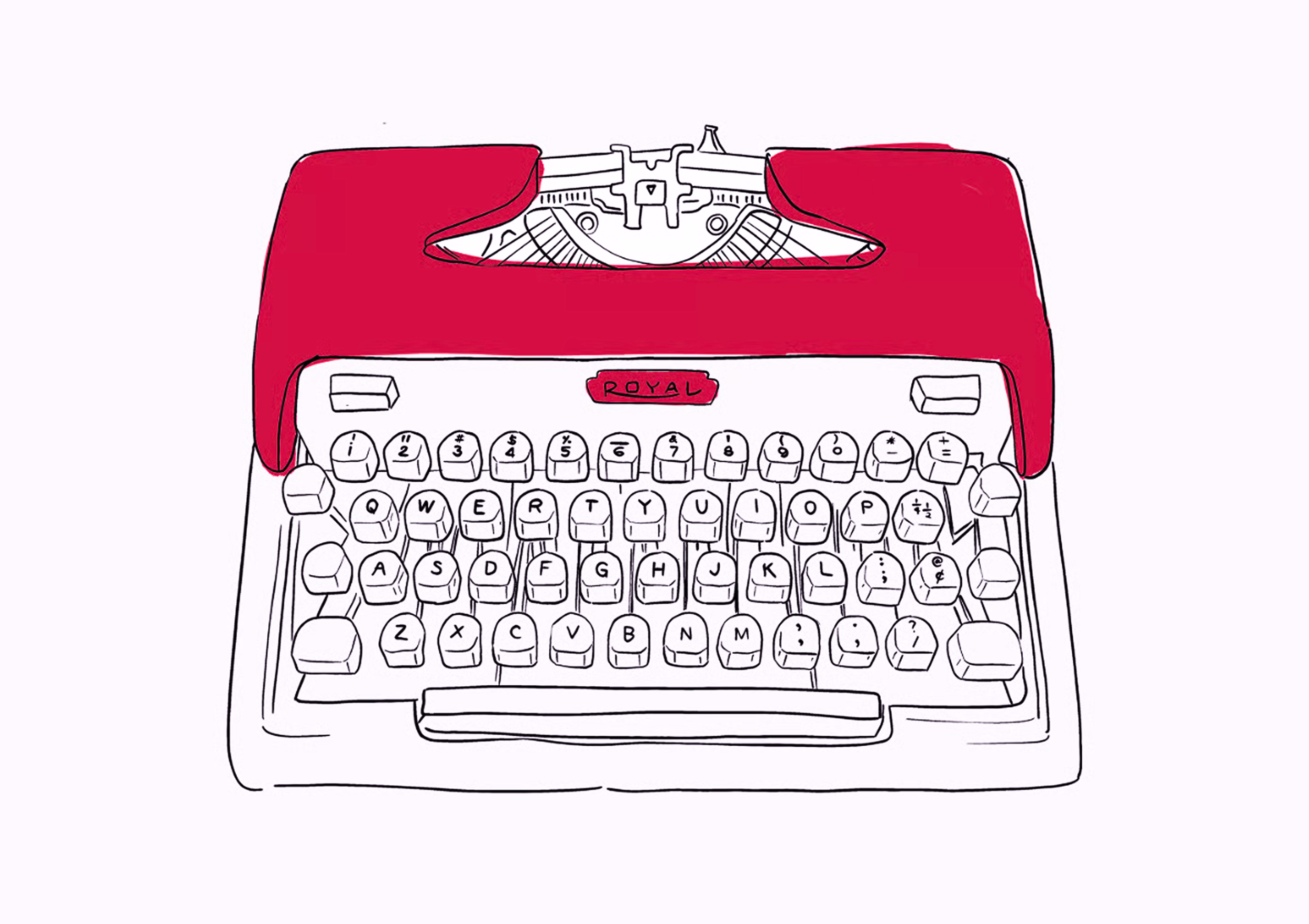
I built a typewriting app without coding called Next in Line
I built a vintage typewriter app that turns writing into a shared experience all without writing a single line of code - just through plain language. I felt like a conductor leading my own little orchestra for a week.
Process:
1. Think about what your core concept is
2. Create a project specification doc
3. Loose design and user flow in Figma
3. Start prompting with your tool of choice (add screenshots of design and user flow)
4. Debugging and refining the product
Tools I have tried and tested
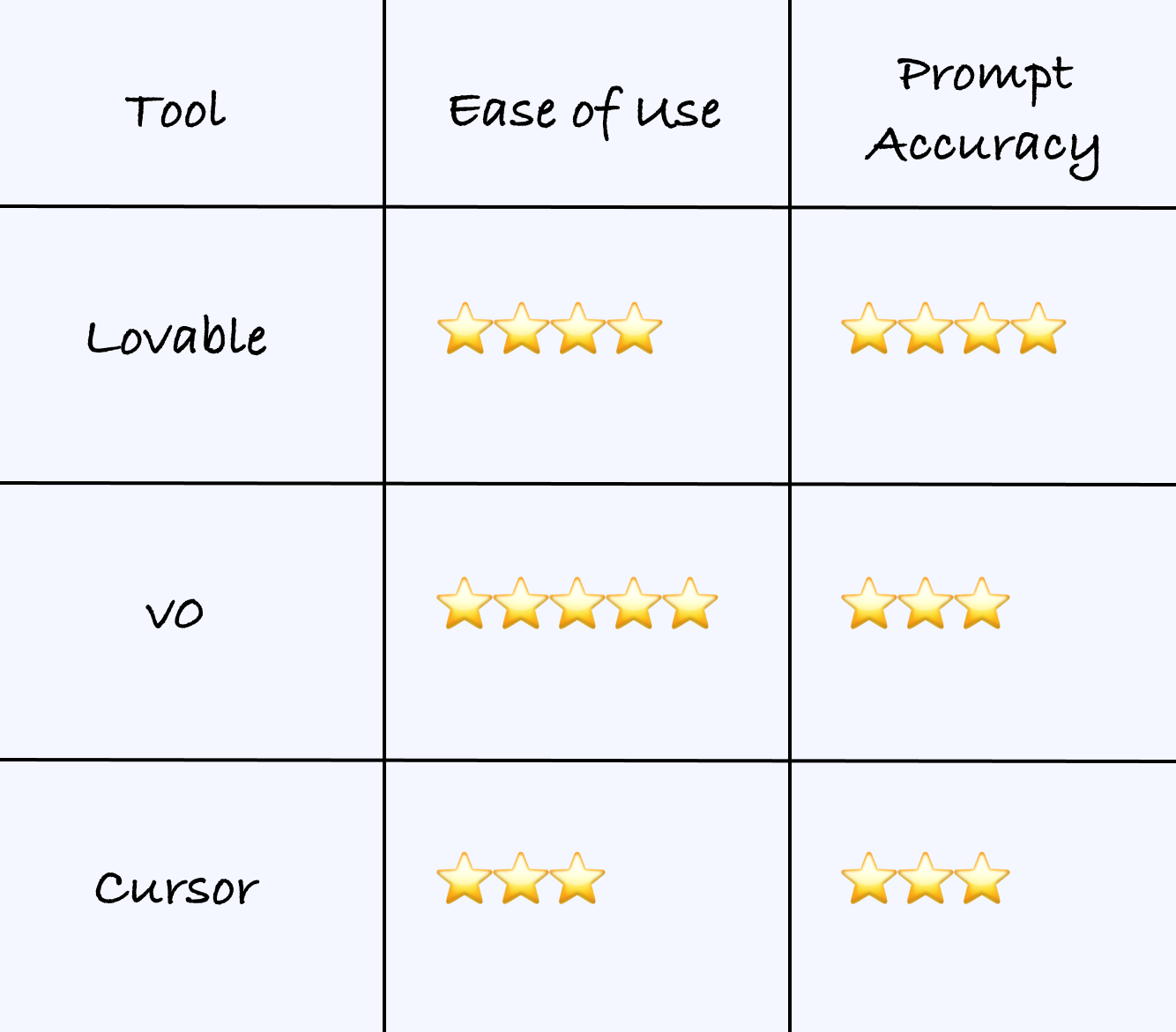
Give these tools a try and let me know which one is your favourite!
Tip: Try put the same prompt on different platforms.
We all have different preferences so see which one speaks to you most, or like what I said earlier, which tool solve your problems most!